Like it or not, pampas grass is the Queen of Boho right now. From fresh feathery, ostrich-like stalks to dried, fluffy shedding-like-crazy stems, couples planning their wedding are into this look.

All in Articles
Like it or not, pampas grass is the Queen of Boho right now. From fresh feathery, ostrich-like stalks to dried, fluffy shedding-like-crazy stems, couples planning their wedding are into this look.
Every florist has a similar routine to respond to inquiries. We open the DM or email, craft a friendly response, click send, and cross our fingers. Sometimes, we get “ghosted.” These Ghost Brides give every florist goosebumps! Is the Ghost Bride watching from her corner of the Internet? Maybe she’s going to pop up at any second! Who you gonna call? Ghost-Bride Busters!
I challenge you to reflect on your life with flowers and write down the things they've taught you. Pen out your magical moments, those situations where you overcame limitations, the growing blooms that made YOU grow. Then pin them up in your studio space! And in those moments when you're exhausted and covered in dirt after sowing the fields, or furiously cleaning buckets and containers before your next event, remember. Take a moment to be still and remember how you have grown, and be inspired!
After a long and winding road, I find myself an adult—a professional studio florist, an organic micro flower farmer, and a professor of Forestry and Range Management in the Central Valley of California. You might say that I have a bias toward sustainability, and I try whenever possible to keep my impact on the earth as light as I can. However, I also have to balance my affinity for eco-conscious floral design with the ability to provide high end, high impact design for my bridal clients, whatever the conditions.
When was the last time you allowed yourself to boldly create, without the pressure to perform for a client or project? It can be hard to set aside time to stretch our creative muscles when we’re constantly running from one deadline to another. But creativity is critical if we are going to grow our skills and stay relevant in the marketplace—and stay inspired while doing so!
I have always felt a connection with orchards and tree fruit. When I was a young child, we would visit my grandmother in the countryside, and I’d see apples on the trees—once I saw a barn owl in the orchard which was amazing. At home, my father would get me to climb the cherry tree and pick the fruit and my maternal grandfather would turn up with big trays of plums, which we children would devour.
There’s a buzzphrase that is plaguing the florist community. It often leaves us burnt-out, uninspired, and disappointed in ourselves. You've probably heard (and even used!) this buzzphrase to define your business success: ideal client.
Pesticides are used in the floral industry, and it means there is risk of chemical exposure for floral pros. Here’s what you can do to protect yourself from pesticides as a floral professional.
Over the past year, I have discovered several ways to merge serving my local community with my love for flowers. Whatever may speak to your heart, you need to know that there are numerous ways in which you, too, can combine what you do and love with what plucks at your heartstrings!
Have you ever considered the hidden potential for floral design income that is in your community? While there are many occasions where individuals are seeking out your flowers on their own (weddings, the loss of a loved one, or events), there are also other potential clients out there who aren't necessarily searching for floristry. Let's talk about the best practices for approaching business clients and tips for a comfortable sales conversation.
There are lots of ways to go about having a pop-up. In this article, you'll see what an experience looks like at a main street shop vs. a large chain store. We’ll also discuss two vital things when planning your floral pop-up
What if I told you there might be an avenue of income you're missing out on? As a florist and especially as a grower, you may even be able to use stems that would otherwise go to waste. By providing a subscription to coffee shops, restaurants, and boutiques, you can create a niche that might allow you to capitalize on and reduce your waste from leftovers and short-stemmed blooms. Selling flowers to restaurants and boutiques as a floral designer or flower farmer is one smart way to do so!
As a creative business owner, it's crucial to have a beautifully designed website with excellent content. And a huge part of the content that you should include is a blog, but it’s difficult to know just what to include in blog articles posted on your site as a small-business owner.
Your brand is the most valuable asset your company has. If anyone knows of the effort that goes into brands, I do. Because I watched my wife as she built hers—and one memory in particular sticks out.
Below is a scene from Keukenhof in Holland. I traveled there with Florabundance and recommend hopping on the bus and traveling with them! We had a lot of fun, and I met some great friends. When I visited this vibrant display, it felt a lot like like going home even though I was thousands of miles from home.
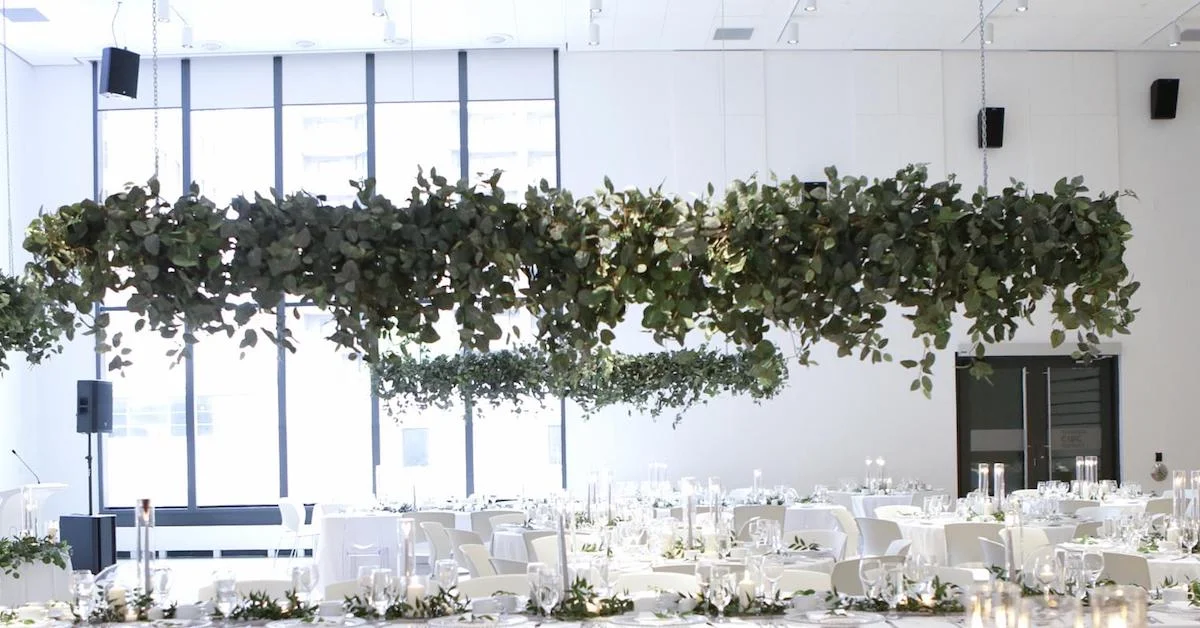
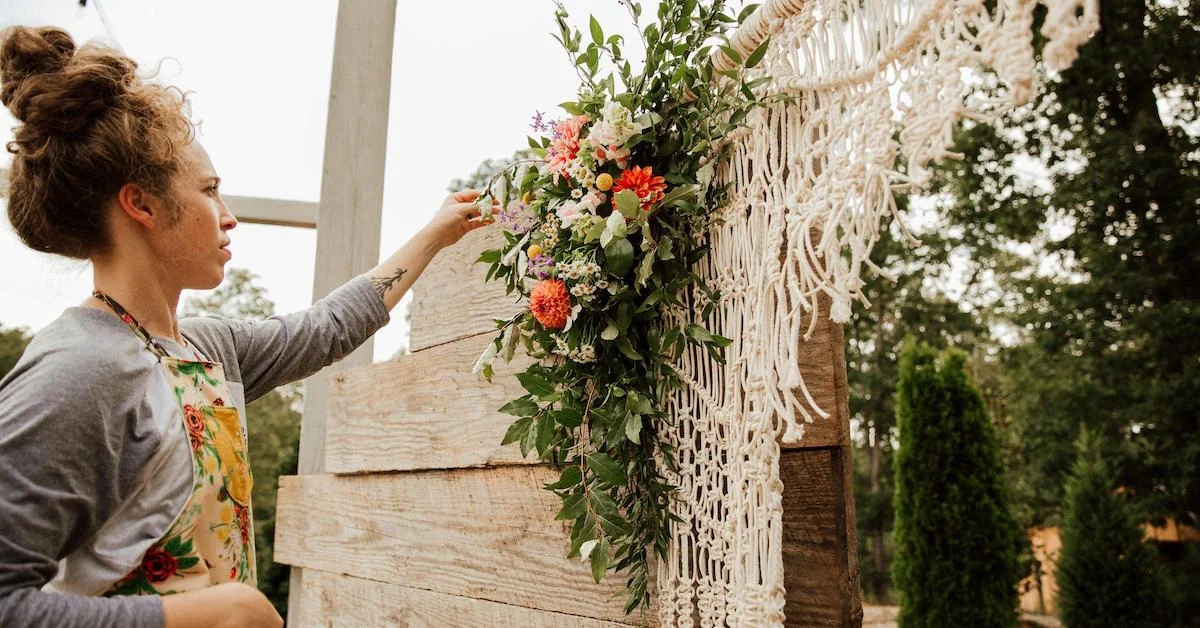
Who doesn’t love that dreamy look of hanging event and wedding flowers from the ceiling? I love creating floral arrangements for the ceiling. They’re so beautiful and can completely transform a space. They also tend to be creatively challenging! In this article, I’ll cover tips and steps to creating simple and elegant (and reusable!) floral ceiling installations.
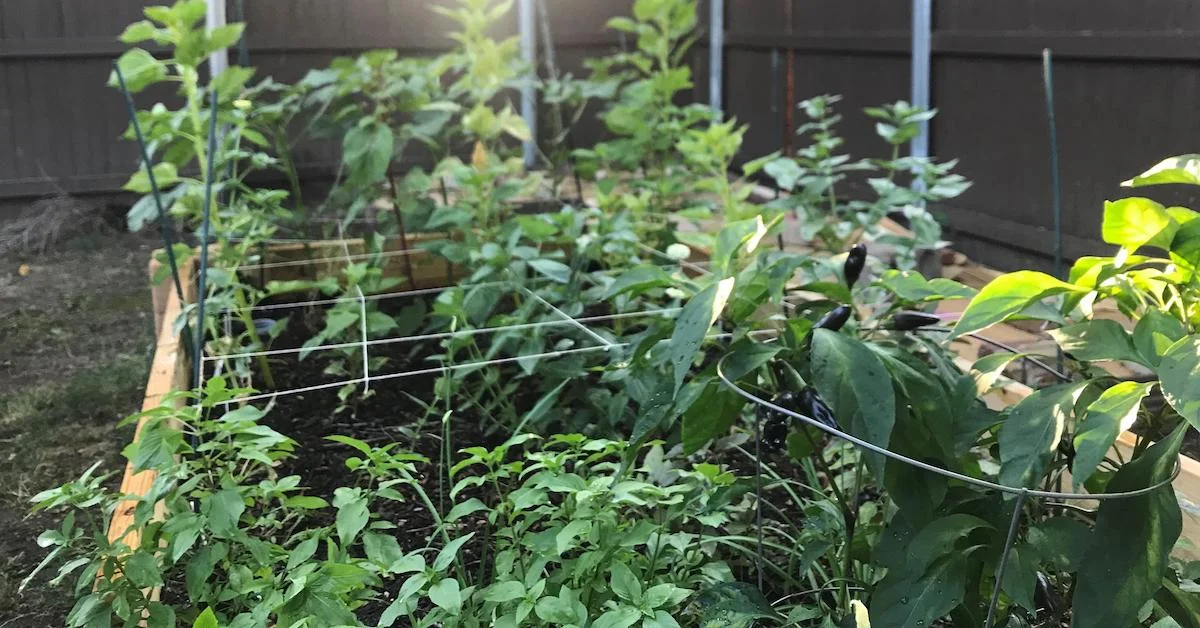
I’ve spent five years with my humble backyard city garden. Growing your own flowers for market and learning how to start a garden is messy business. After clearing construction rubble, fighting (and resigning myself to) cracking clay soil, trying with minimal success to encourage grass to grow, and quite a few mishaps along the way I’ve probably forgotten about, my garden has been picture-perfect about 2% of the time.
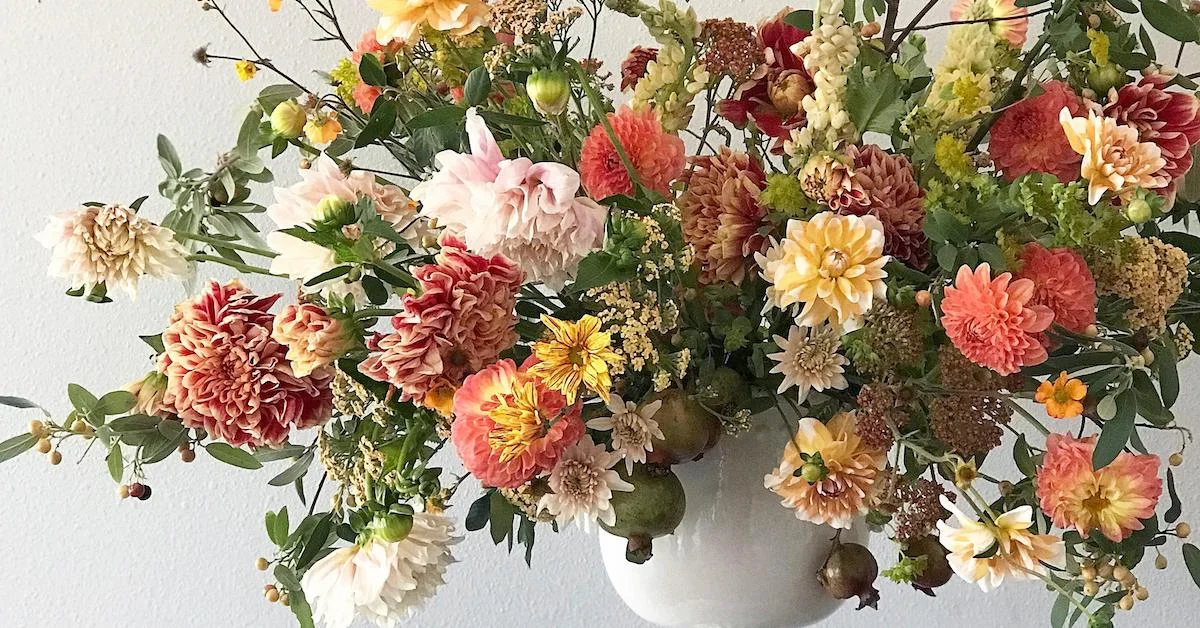
Summer's bounty gives us rich sunset tones and beautiful dahlias to enjoy. In this tutorial, we'll be creating a large-scale, foam-free summer floral arrangement in an urn that transitions from shades of dark rust and orange to warm golden yellows and earthy creams. Once the warmth of summer has left us, this step-by-step floral arrangement lesson can easily be applied to any season with available flowers.
Regardless of your role in the floral industry, it's no secret that the work you do includes manual labor. Lifting buckets, picking up heavy boxes, getting on your hands and knees, climbing up ladders, spending hours in the field harvesting—all of this and more is done daily in the floral industry! Manual labor is hard work, and for it to be sustainable for many years, you need to make sure you're doing a few things for your body.
If you’re in the same boat as me and you need an extra pair of hands (or two—or three!) for larger projects, there are a couple things to keep in mind.