Video: Here’s How to Arrange a Round Peony Bouquet

In this video Kelly uses blush peonies and sweet peas to create a classic round wedding bouquet with a full stem wrap and no foliage.

------------------------

Video transcript:

In this bouquet, I'm using a fragrant blend of springtime peonies and sweetpeas, both in blush. We're going to start by getting the shape of the bouquet using the peonies. First, I'm going to look and I'm going to take the peony that I feel is the most open and the most beautiful. That will be my flower that is at the top center of the bouquet. Toss off these tiny little pieces around and the next step is just surrounding this peony with lots more peonies and each time I add one, I am aligning these stems so that I am creating one big stem at the bottom. We're just going to go around in a circle around that first peony that we placed. Then, I'm going to start adding some of these smaller peonies in the centers. So, you can see I'm going to tuck that right in there to cover in some of that space. I want to make sure that I don't have any foliage showing at all so I'm going to pull these off as I'm going. Okay, so I have a round bouquet here. Now, I'm just going to adjust and tug stems to get it to be perfect round. Next, I'll add the sweetpeas. I'm just going to gently, in between peonies, slide these down in. I don't need this one here so that will get popped off. With each addition of the sweetpeas, I'm just seeking to keep this rounded out. These are so great for filling in just the little holes in these pieces underneath of the bouquet. The way that the flowers are shaped on the sweetpeas allow me to gently bend and fill in and ruffle the underside. Okay, a quick little assessment again. See if there's any that just need to be tugged out just a little bit to get it perfectly round. Even whenever we're doing tighter balls of flowers, it's good to give the flowers a little bit of a tug so that they don't get too compacted. We still want them to have room for their petals to fluff. Then, this one right in the center, I'm going to pop it out just a bit so that we get that little bit of fluff there and now we'll tape. So, I have a piece of the green oasis tape that we've been using throughout the rest of the class. I'm just going to do a simple wrap-around once and then back around the stems again. I have to put a ribbon on here. Wrap it around. You can go around as many times as you like. My ribbon is pretty long and I'm just going to let it as it lays. Then you would just pin and do your simple little tie to get something like that and you still want your stems to be exposed. Sometimes girls that really love this ultra-classic look like to have their full bouquet wrapped, ribbon and all, so I wanted to show you how to do that. We haven't talked about it yet. I'm going to snip the stems pretty short so that whenever they're holding, I have just about an inch, an inch and a half of space at the end of the hand. Then, with that tape that I have put up higher in the bouquet, I'm going to use that to just do a little U-shape around the stems. I'm going to do the same thing on the opposite side so this part with the tape and these yucky ends that I have will be completely covered by the final wrap that I'm doing. You might be wondering, how am I going to keep these flowers hydrated if the stems aren't exposed? You know, that whole piece of it and it is a great question. What, typically, this is done in France a lot and they'll just deliver the whole bouquet with the ribbon. They'll just pop this into the water and the ribbon would actually be wet and then you would towel-dry it before carrying it, carrying it down the aisle. When I have done this in the past, I just had one client that really preferred this look. What we did for her, hers was wrapped with pearls and I did it on site shortly before she was getting ready to carry it for her photos and things. We did put it back into the water before the ceremony took place. So, I've just taken this ribbon at the top, going around until I get to the bottom and then I will secure with a pin. Tucking in those edges. I used a little bit of glue whenever I did the pearls, putting those on the bouquet. You can do that as well, tacking in some of these little ends with that. If you're sensitive to that, you can also take a pin and go around and just secure the edge there with a pin. I'm just doing a simple fold and securing with that little pin. I think we'll go with the pearl pin on this one. A little bit more classic with the ribbons and the peonies. She's probably wearing some pearl earrings. All right. There you have it: the classic Peony and Sweetpea Wrapped Bouquet.
Rediscovering Flowers with Studio Mondine

When was the last time you created an arrangement for yourself or experimented with something new—whether an ingredient or a technique? Amanda Luu of Studio Mondine is sharing how the global pandemic has given her the ability to look at flowers with refreshed eyes. Florists so often look at blooms through the eyes of their clients rather than utilizing the unlocked creativity within. Be inspired to break free in this podcast episode!

Hosting Workshops on a Flower Farm

Have you ever thought about hosting workshops on your flower farm? If you’re looking for additional revenue, flower farm workshops can be a profitable option. In this article, learn from one farmer-florist as she shares creative revenue-building ideas for your floral business.

Video: Growing and Training Sweet Pea Flowers

Growing sweet peas is one of our favorite things to do each year and starting sweet peas indoors is a great way to get a jump on the season. Sweet peas grow quickly and can become tangled before weather permits safe transplanting. In this video, you’ll see a demonstration of how to safely train and trim your sweet pea seedlings without harming the plant. This sweet pea pruning process not only makes it easier to transfer the individual plants to your garden, but it also encourages side-shoot growth making each plant stockier than before.

------------------------

Video transcript:

Hey, I'm here to demonstrate snipping back the sweet peas. You'll see that we have, like Kathleen suggested, we have all of our little twigs in here and our sweet peas are trailing up them. Now, if it was time to go ahead and plant these out in the garden, I would just pull these out, plant them, take their little sticks and plant those towards the trellis that they will eventually live on. But I still have several weeks until it's time to plant these. I started them pretty early. Sweet peas aren't something that you need to start early. I was doing a little bit of an experiment and I wanted to have some available here to show you how to snip them back in case yours get ahead of you as well. So, what I am going to do is I'm looking for the first, true set of leaves. So, that is the leaf that looks like a sweet pea leaf. So, if we can get a closeup right here, you'll see that the plant is coming out of the ground and right here is its first set of true leaves. So here is where I can snip it back to tame the growth of it. So these will continue growing down here, more leaves will continue popping out. And by the time it's time to get these out into the garden, it'll be a little bit stockier... Because of what we're doing here. And I won't have a tangled mess. So, I'm going to snip back half of them. And then the other half I'm going to let get wild and crazy and see if I notice any noticeable differences in my garden. So that's just something that I'm choosing to do this year. I tried starting them several different ways. This is my little sweet pea experiment patch. Okay, so we're all set. You can see how this one that I had cut back a few weeks ago has now a second stem coming out down here from the bottom so I'm getting some branching going on. And that will eventually happen with these little guys as well. So there you have it, snipping back your sweet peas.

Practical Pivots with Kalin Sheick of Sweetwater Floral

When Covid-19 hit, the floral industry was deeply affected. Kalin recognized that she had to try something new, and in this episode, she’s sharing what it has looked like to pivot from almost solely wedding design to DIY at-home workshops. She’s discussing finding balance while making a living with flowers, and you’ll even hear a few tips on growing and caring for lavender!

Working with Native Plants with Lee Carlton

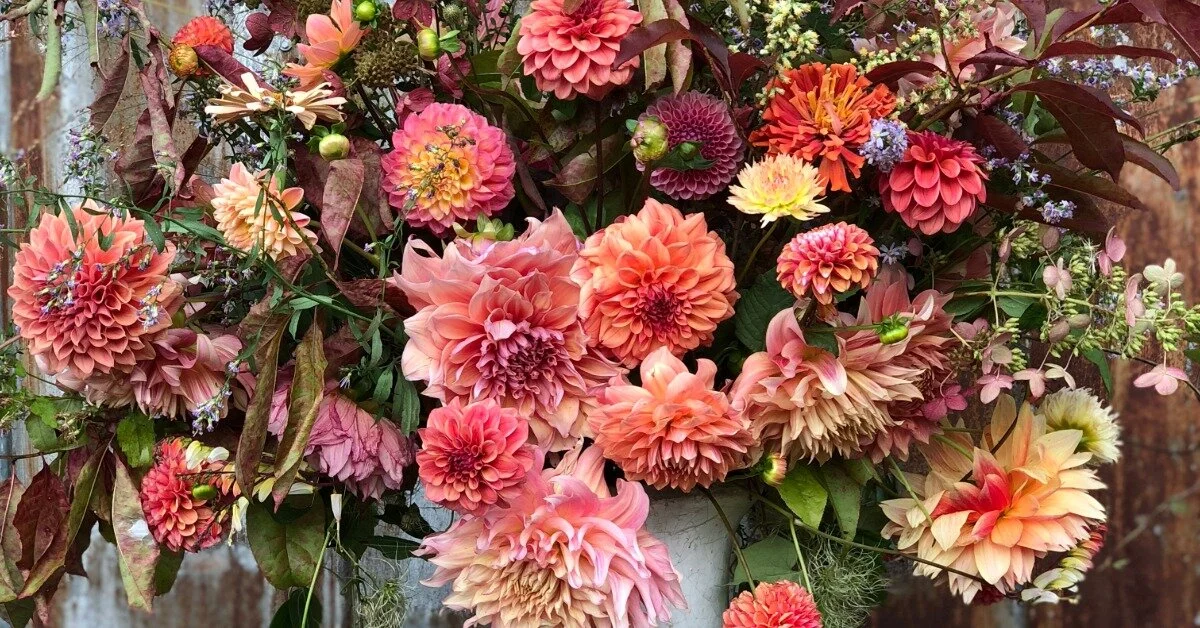
Located in the North Carolina mountains, Lee has been a been a horticulturist for 23 years and has worn many hats throughout that time. She grows and selects dahlias based on color, form, and vase life specifically for floral design and then sells the tubers. She supplies local florists with dahlias and native species that she has also tested. Lee also designs, installs, and maintains several large, naturalistic gardens with a focus on native plants, including a vertical wall garden loaded with species that grow from the rocks in North Carolina.

Video: Long-Lasting Spring Floral Arrangement

Watch a video tutorial on how to make a long-lasting, inexpensive, and cheerful springtime arrangement. I use fresh-cut daffodils (often available for $5 a bundle or less) and a handful of potted bulbs. Container aside, you’re looking at about $12 in supplies for this piece!

Transcript

Hey, I'm Kelly Perry. And I'm here to show just a quick little fun with flowers segment. I was out picking up some groceries and saw these hyacinth bulbs for a dollar. And I was like, well, let's do something fun with those this afternoon. So I'm here. 

And had some rocks left over from another project that I was working on and I thought we'll just do a little hybrid potted plant/fresh cut flower arrangment. So I'm going to put a couple rocks in the bottom of this to help with drainage since there aren't any drainage holes in this container. And then I'm going to add a little bit of potting soil. And then I'm going to go ahead and put in-- I had these left over from another project as well, so I'm going to pop these in-- little tulips. 

And we'll put in the hyacinth in here as well. I love hyacinth in the spring. It is the smell of spring to me. 

They're also really fun to make hairpieces out of. I was at a class recently in New York, and Shane Connelly was the teacher. And he does flowers for the Royal Family. 

And it was really fun to hear his perspective and take on things. And he loves using potted flowers. And so we have that in common. 

And then he taught us how to wire hyacinth flowers to use in bouquets and things like that. And that got me thinking about hair crowns and just all the versatility and things that we could do with those. So anyway, just a little tidbit there about the hyacinth. So once these bloom, I might pop them out and practice doing some more wiring with them. 

OK, got these potted in here how I like them. I pulled some moss out of the backyard. I'm going to put that in here just around. I'm going to not do the whole way around quite yet, because I want to add some of these fresh things with water tubes. But we can just kind of get this base started so we have a better idea of what it will all look like when it comes together. 

Perfect. OK, these are water tubes. I'm going to just pop them open and I'm actually going to just snip the ends off these. I'm using these little daffodils and their stems are hollow. So I don't want to upset them. 

I'm just going to pop these inside. 

In this arrangement, I'm just going to like a mass of spring flowers. No particular consideration to lines or anything like that. I just want it to look like it is just happening. 

So all the different stages of the flowers are in. Perfectly fine, because that's how they are outside. Some are high. Some are low. 

So do this with whatever you have in your garden. Maybe you have some of those really pretty magnolia branches blooming. Or a few little cherry blossoms. Whatever you have, go for it. 

I have this dogwood that I think I'd like to put in. And this will open up over time. It's not open at the moment, but it will be. Actually, let me give that just a quick little fresh snip so it can have an easier time hydrating. 

[HUMMING] 

I want to add just two more flower tubes. 

And I'm going to be adding the moss in so that will cover up-- oh, these are poking up through the soil right now. That'll take care of that. And these little tubes of water you'll want to keep an eye on if you're trying to keep your arrangement fresh for a particular day. Just keep an eye on those little tubes. They don't hold a lot of water. 

And I'm putting about two daffodils in each. So they'll drink that up pretty quick. Keep a little eye on that. OK, we'll fill in and cover up those tubes with the moss. And then we'll be all ready to go. 

The hyacinth already had quite a bit of moisture in the soil so I'm not worried about giving those a fresh drink just yet. But I'll keep an eye on that in the coming days. 

But once those start shooting up through the soil, and these tulip bulbs that are in here start blooming, it'll really fill this arrangement out. And it will be very, very sweet. Lots of longevity to this. 

If you do weekly arrangements for maybe a business or some type of office setting, this would be a great way to offer something with a lot of longevity to it. 

All right, there you have it. Just give this a little dust around the edges and we'll call that done. 

Thanks for watching. If you'd like to see more like this, you can visit Teamflower.org/free. I'm Kelly. Thanks for watching. 

Making Choices and Maintaining Focus with Kate Stoner

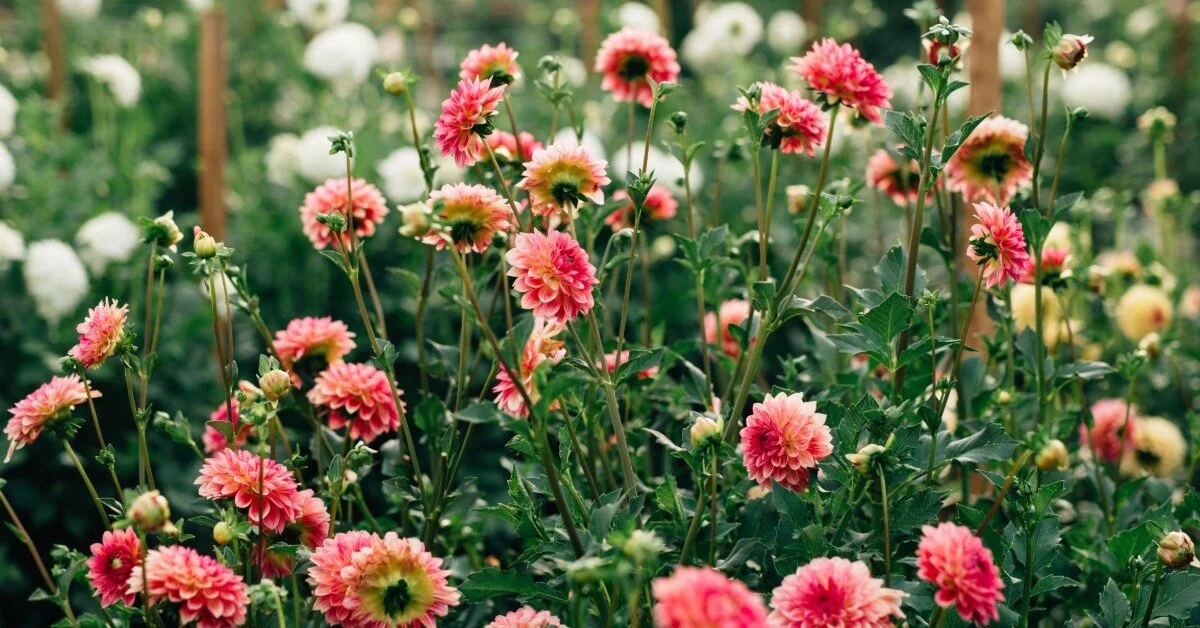
In this podcast episode, you’ll hear from Kate Stoner, the owner of Cold Water Flowers in Greencastle, Pennsylvania. Kate is an expert dahlia-grower. You’ll hear about her choosing process as well as a few tips on how to make choices (whether that be about which flowers to grow or which projects to take on). She’s also chatting about a few tips for small businesses.